
The future of EU cohesion policy discussed in Dublin
Boris Dilliès, Minister-President of the Brussels-Capital Region (BCR), represented Belgium at the informal meeting of EU ministers responsible for cohesion policy, held in Dublin on 15 September 2026. Extensive groundwork for this participation was carried out by Brussels International and the Delegation of the BCR to the European Union (EU).
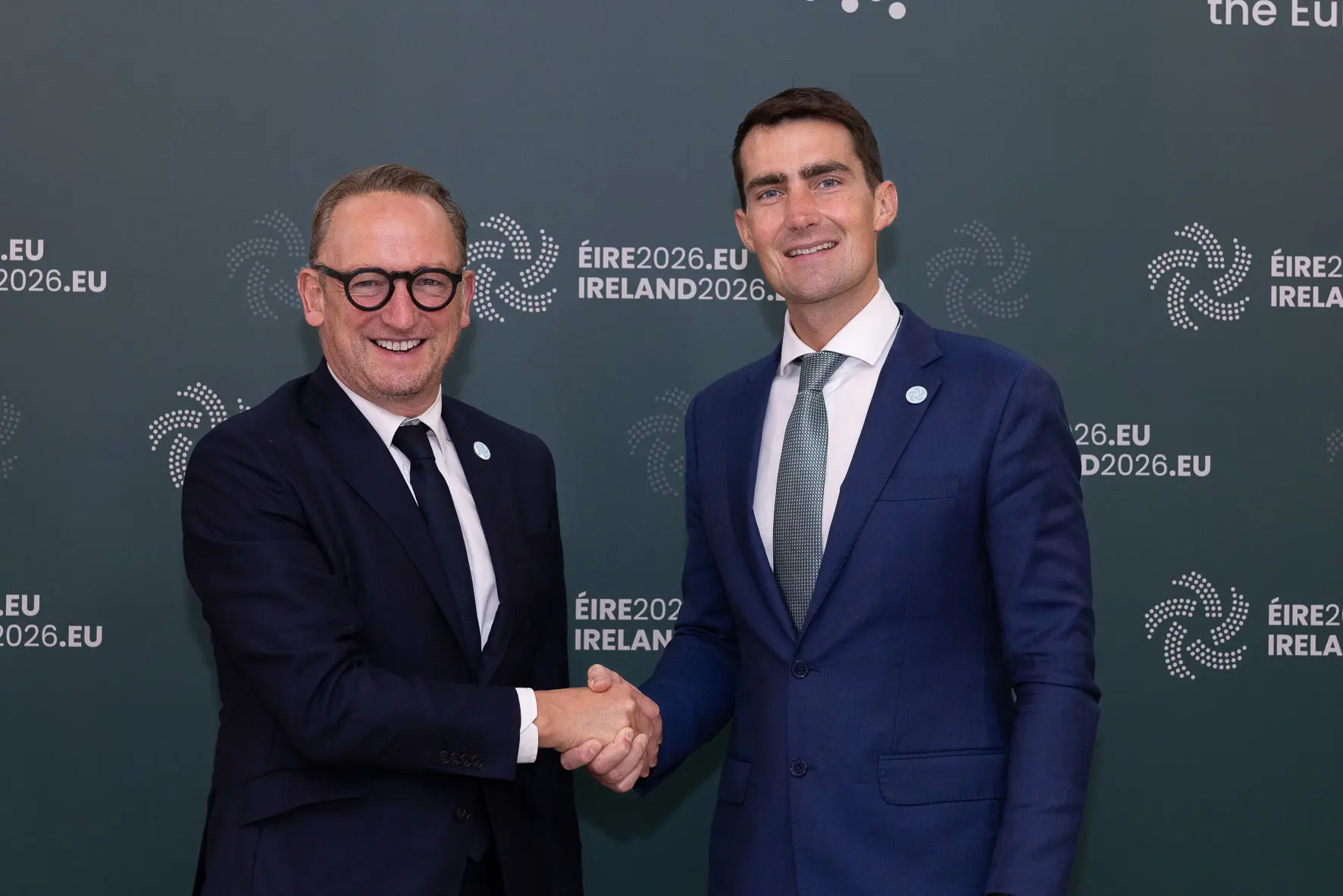
Boris Dilliès, Minister-President of the Brussels-Capital Region, and Jack Chambers, Irish Minister for Public Expenditure, Infrastructure, Public Service Reform and Digitalisation, on the sidelines of the informal meeting of EU ministers responsible for cohesion policy – © European Union
The External linkinformal meeting of EU ministers responsible for cohesion policy, held in Dublin on 15 September 2026, focused on the future of EU cohesion policy after 2027 and on the future implementation framework for EU funds.
A Belgian position shaped through consultation
On matters falling within regional competence, Belgium speaks at the External linkCouncil of the EU on the basis of a position coordinated among the country’s various authorities.
In this context, the Delegation of the BCR to the EU monitored the European negotiations and, in close cooperation with Brussels International, the regional administrations and the External linkMinister-President’s office, helped prepare a coherent Belgian position while ensuring that Brussels’ priorities were taken into account.
What is at stake for Brussels
For Brussels, the debate on the future of cohesion policy is far from theoretical. External linkOver the 2021-2027 period, EU funds represent several hundred million euros in investment contributing to the Region’s economic, social and urban development.
This funding supports concrete projects such as External linkUsquare, which is transforming the former Ixelles barracks into a hub for innovation and higher education, and External linkGreenbizz, an ecosystem for sustainable entrepreneurship and the circular economy. It also contributes to numerous training and labour market integration programmes.
The decisions currently under discussion at EU level will therefore have a direct impact on the investments that can be made in Brussels after 2027.
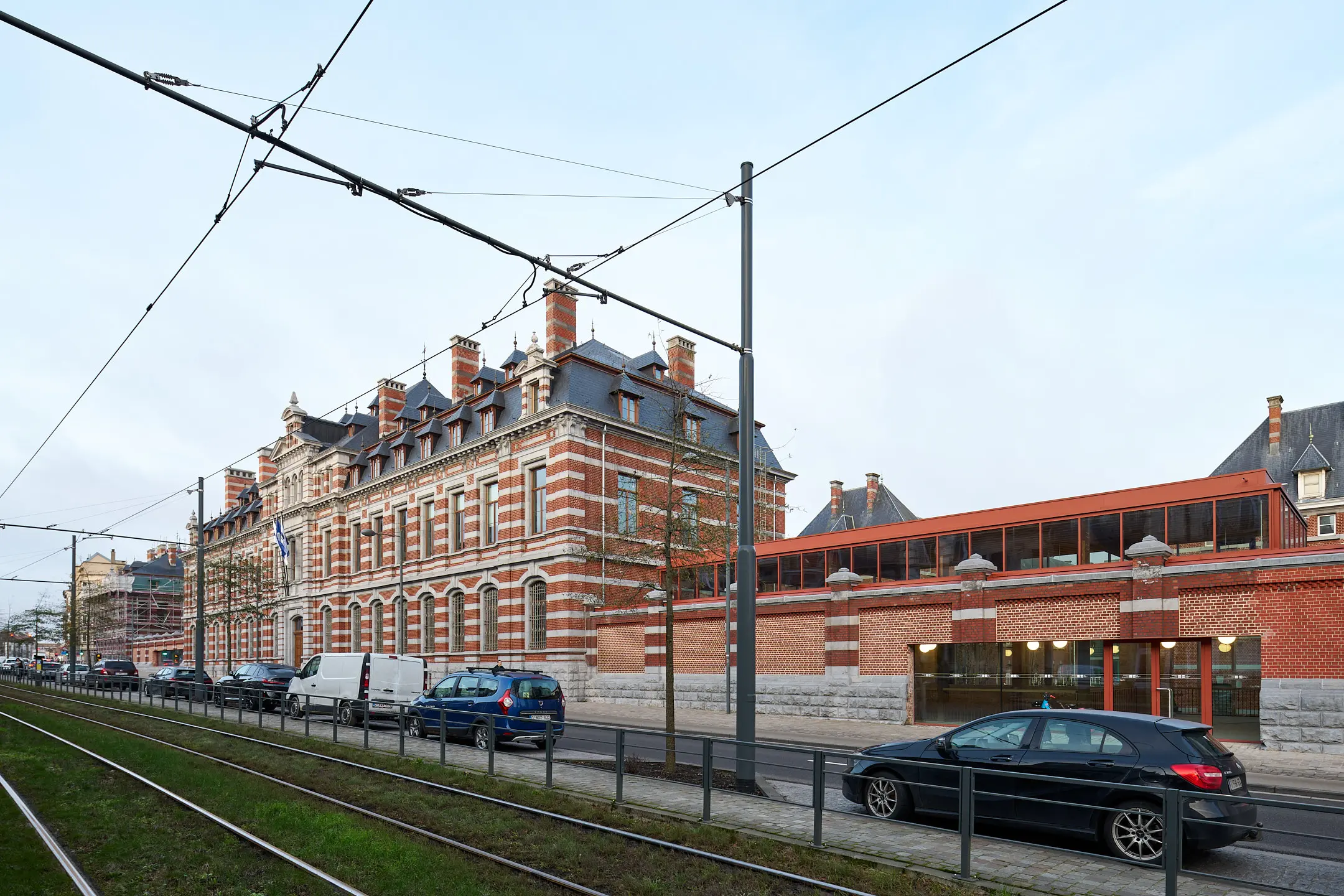
The Brussels Usquare project, carried out under the 2014-2020 ERDF programme – © Yannick Coppens – SPRB
Making the regional perspective heard
In Dublin, Brussels Minister-President Boris Dilliès called for a cohesion policy that reflects territorial realities, strong involvement of regional authorities in the management of funds, and simpler implementation rules.
These priorities are particularly important for Brussels. As a capital region, an international metropolis and the seat of the European institutions, the BCR faces specific challenges in terms of urban development, innovation, mobility and social inclusion.
European work, day in, day out
The Dublin meeting also illustrates the day-to-day role played by the Delegation of the BCR to the EU.
Beyond institutional representation, its teams follow European negotiations, feed into Belgian coordination and help advance Brussels’ priorities in strategic EU files.
Cohesion policy is a case in point: behind every ministerial intervention lies extensive preparatory and consultation work, enabling Brussels to contribute to the Belgian position and anticipate the European decisions that will shape its development.
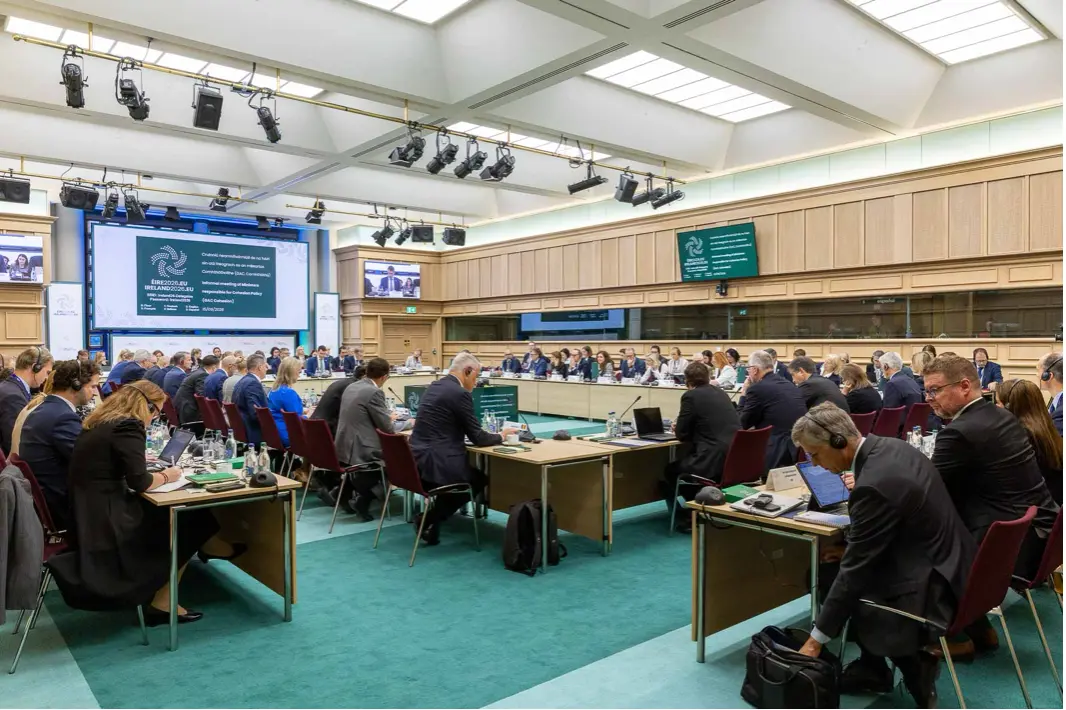
The informal meeting of EU ministers responsible for cohesion policy, held in Dublin on 15 September 2026 – © European Union